Essential Elements of an Effective Brochure Design

Brochures remain a powerful tool for businesses to communicate their brand, products, and services. A well-designed brochure grabs attention, conveys key messages, and encourages action. To create an effective brochure, it is essential to focus on design, content, and usability.
Clear and Compelling Headlines
Headlines are the first thing readers notice. A clear and compelling headline draws attention and communicates the brochure’s main message quickly.
Use concise language, strong action words, and font sizes that stand out. A well-crafted headline encourages readers to explore the rest of the content.
Engaging Visuals
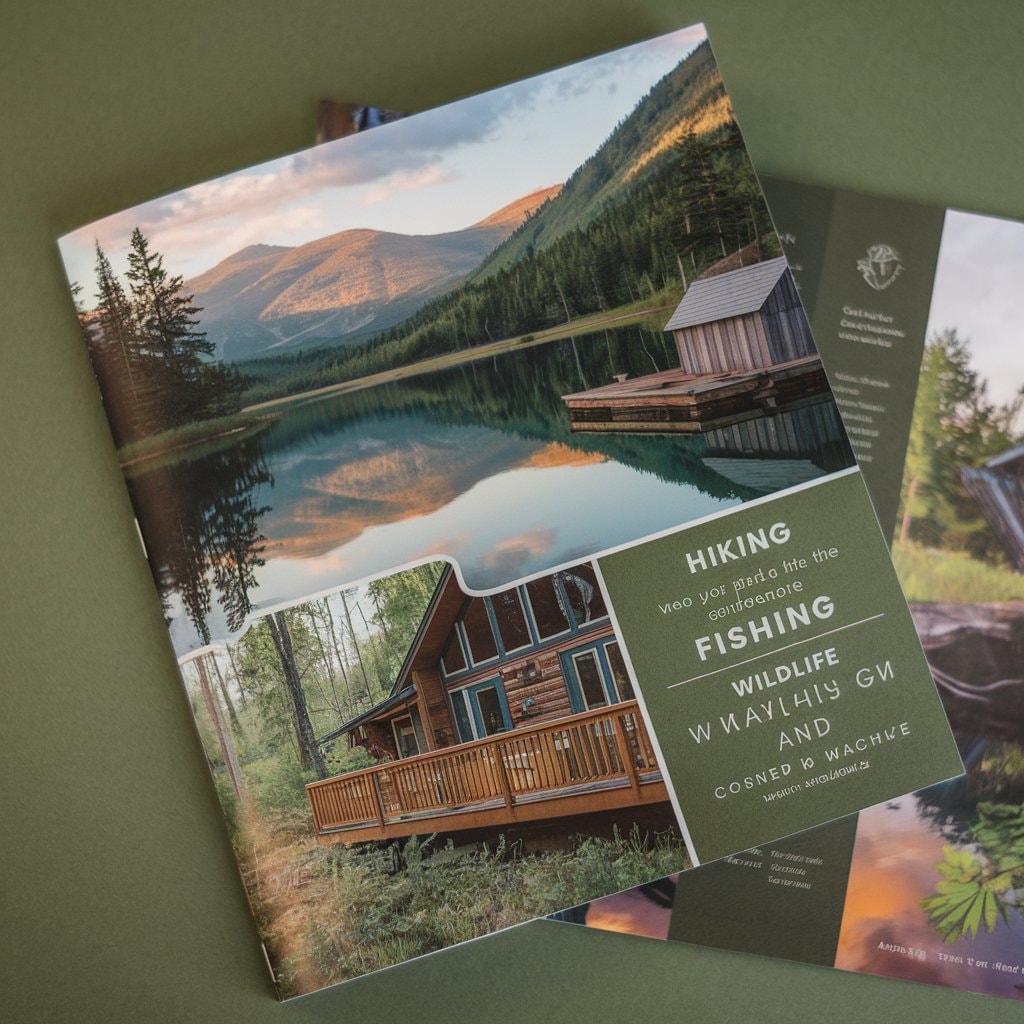
Visuals play a major role in brochure effectiveness. High-quality images, graphics, and illustrations make the brochure visually appealing and support the message.
Ensure images are relevant to your brand and resonate with your target audience. Balanced use of visuals and text prevents overcrowding and maintains readability.
Consistent Branding
Consistency strengthens brand recognition. Use your logo, brand colors, typography, and style consistently throughout the brochure.
A cohesive design builds trust and reinforces your brand identity. Readers should be able to identify your brand instantly, even at a glance.
Organized Layout and Structure
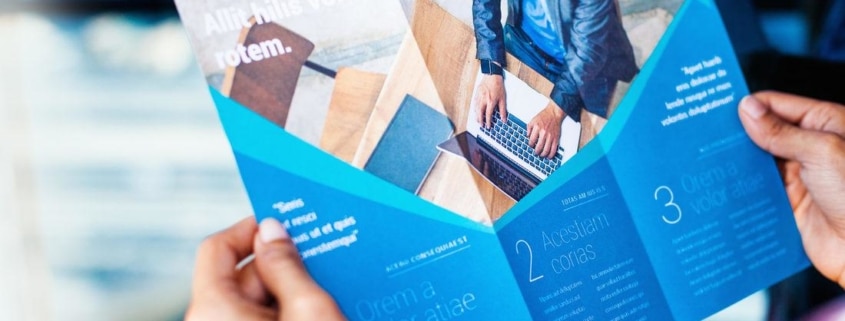
An organized layout improves readability and guides readers through the content. Use sections, headings, subheadings, and bullet points to break up text.
Logical flow ensures that readers can quickly find information. Consider using grids and alignment to maintain a professional and polished appearance.
Clear Call-to-Action (CTA)
Every brochure should include a clear call-to-action. Whether it’s “Visit Our Website,” “Call for a Free Quote,” or “Sign Up Today,” the CTA directs readers toward the desired action.
Place the CTA prominently and make it visually distinct. A strong CTA converts interest into measurable results.
Balanced Use of Text
Text should be concise, informative, and easy to scan. Avoid long paragraphs and complex sentences.
Use bullet points or numbered lists for key benefits, features, or instructions. Balanced text ensures readers can absorb information quickly without feeling overwhelmed.
High-Quality Printing and Materials
Print quality impacts perception. Use high-resolution images, durable paper, and professional finishes to create a positive impression.
Matte or glossy finishes, embossing, and textured paper add a tactile element that enhances the brochure’s appeal. High-quality materials reflect professionalism and care.
Interactive and Modern Elements
Integrating interactive elements can increase engagement. QR codes, AR features, or links to videos connect print materials to digital experiences.
Interactive brochures provide additional information without overcrowding the design and create a memorable user experience.
Targeted Content
Design and content should align with your audience’s needs. Tailor your messaging, visuals, and offers to the interests of your target market.
Understanding your audience ensures the brochure is relevant and persuasive, increasing the likelihood of engagement and conversion.
Proofreading and Accuracy
Errors in text, images, or contact information can damage credibility. Proofread all content carefully and ensure all details are accurate before printing.
A flawless brochure reinforces professionalism and builds trust with potential customers.
Conclusion
Effective brochure design combines clarity, visual appeal, and strategic messaging. Key elements include compelling headlines, engaging visuals, consistent branding, organized layout, clear calls-to-action, and high-quality materials.
Integrating interactive features and targeting content to the audience further enhances impact. By focusing on these essential elements, businesses can create brochures that attract attention, convey their message effectively, and drive results in both marketing and branding campaigns.