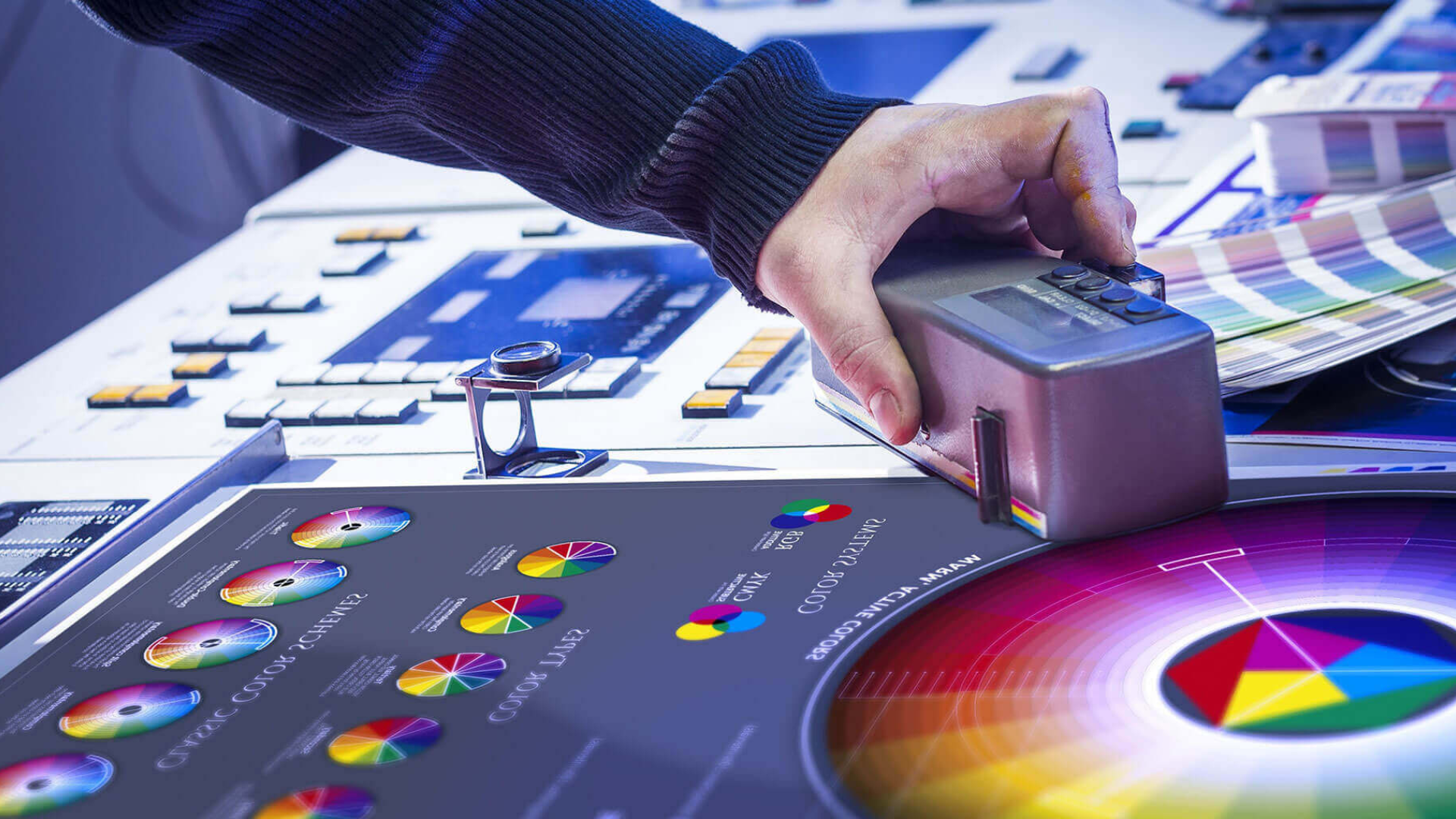
Top Print Design Trends You Need to Know

Print design continues to evolve, blending creativity with innovation to capture attention and make brands stand out. Staying updated with top print design trends helps businesses create marketing materials that are visually appealing, memorable, and effective. From bold typography to sustainable materials, these trends shape how brochures, flyers, posters, and packaging are designed in 2025.
By embracing current trends, businesses can create print materials that resonate with their audience and support overall brand growth.
Bold and Vibrant Colors
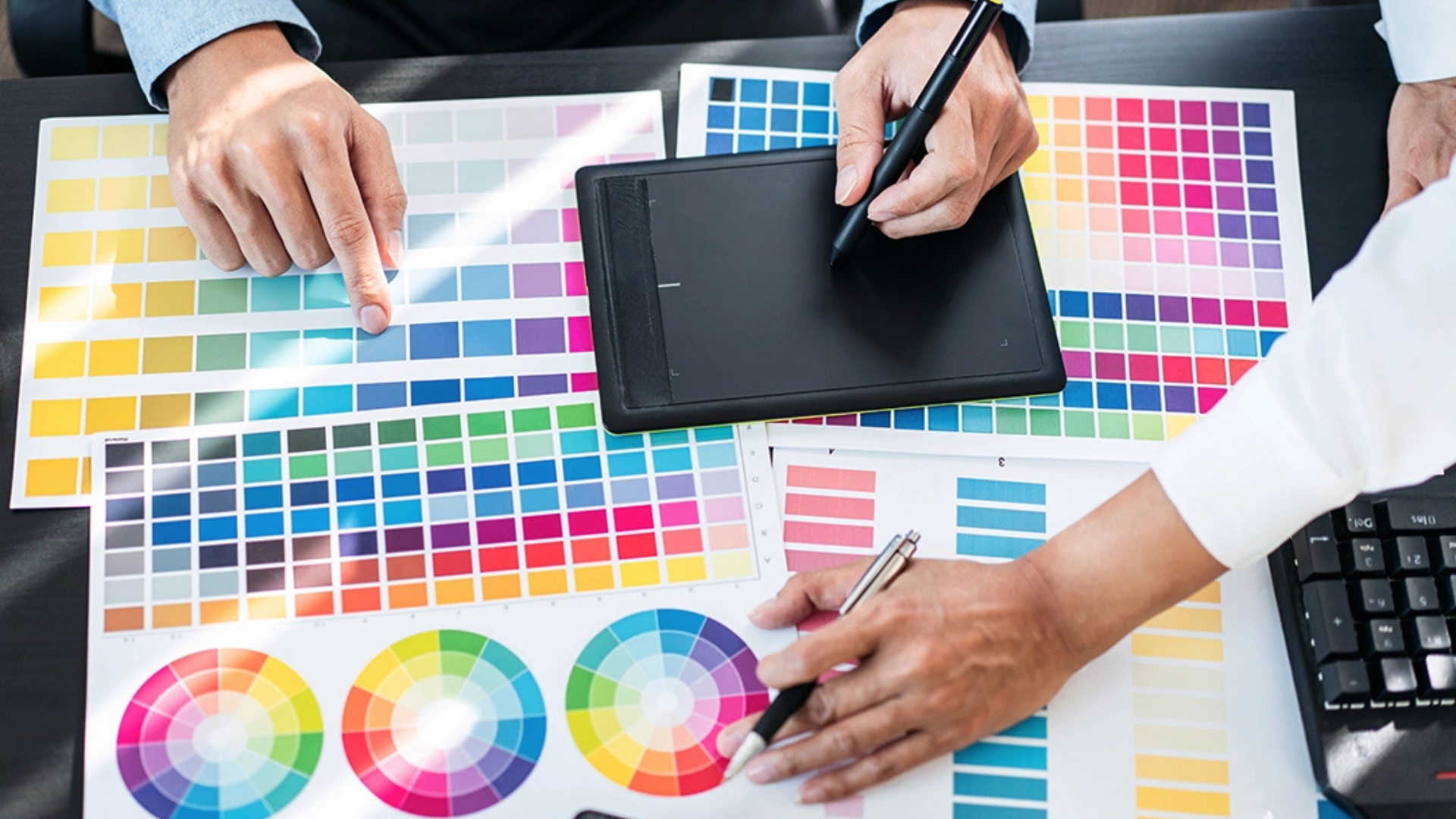
Color trends in print design are moving toward bold and vibrant palettes that grab attention instantly.
-
Bright Contrasts: Use complementary colors to make key elements pop.
-
Gradient Effects: Smooth color transitions add depth and modern appeal.
-
Brand Consistency: Combine trend-driven colors with your brand palette for recognition.
Vivid colors evoke emotion, encourage engagement, and make print materials stand out in crowded environments.
Minimalist and Clean Layouts
While bold colors attract, minimalism provides clarity and elegance. Clean layouts focus on essentials without overwhelming the viewer.
-
Ample White Space: Improves readability and visual appeal.
-
Simple Typography: Clear fonts enhance legibility.
-
Focused Messaging: Highlight key information without clutter.
Minimalist design communicates professionalism and sophistication while making your message easy to absorb.
Creative Typography
Typography is a powerful tool to express personality and guide the reader’s attention.
-
Custom Fonts: Unique typefaces set your brand apart.
-
Bold Headlines: Catchy headings grab attention quickly.
-
Mixing Styles: Combine serif and sans-serif fonts for visual contrast.
Innovative typography enhances brand identity and creates a memorable impact in print materials.
Interactive and Tactile Elements
Adding interactive or tactile features engages the audience beyond visual appeal.
-
Embossing and Debossing: Create texture that feels premium.
-
Die-Cut Shapes: Unique shapes attract attention and encourage interaction.
-
Spot UV or Foil Accents: Highlight key details for a luxury feel.
Tactile elements make print materials memorable and encourage customers to interact with your brand.
Eco-Friendly and Sustainable Materials
Sustainability is increasingly important for both consumers and brands. Eco-conscious print design demonstrates responsibility and modern values.
-
Recycled Paper: Reduces environmental impact while maintaining quality.
-
Soy-Based Inks: Safer and environmentally friendly alternative to traditional inks.
-
Minimal Packaging Waste: Optimize designs to use less material without compromising aesthetics.
Sustainable design not only supports the environment but also strengthens brand reputation.
Vintage and Retro Styles
Retro aesthetics are making a comeback in print design, evoking nostalgia and emotional connection.
-
Classic Typography and Illustrations: Draw inspiration from past decades.
-
Muted Color Palettes: Softer tones create a timeless feel.
-
Textured Finishes: Vintage-style textures add authenticity and charm.
Retro designs appeal to audiences seeking authenticity and help brands differentiate themselves.
Custom Illustrations and Graphics
Custom illustrations give print materials a unique personality and help tell a story visually.
-
Hand-Drawn Elements: Add character and originality.
-
Infographics: Simplify complex information for easy understanding.
-
Storytelling Graphics: Use visuals to guide readers through your content.
Illustrations and graphics make your materials more engaging and memorable.
QR Codes and Hybrid Print-Digital Integration
Bridging print and digital experiences is a growing trend.
-
QR Codes: Link brochures and flyers to websites, videos, or landing pages.
-
Interactive Campaigns: Encourage engagement beyond physical materials.
-
Trackable Results: Measure the impact of print campaigns on online traffic.
Integrating print and digital allows businesses to create interactive experiences and extend marketing reach.
Conclusion
Staying updated with top print design trends ensures your marketing materials capture attention, communicate effectively, and leave a lasting impression. Bold colors, minimalist layouts, creative typography, tactile elements, sustainable materials, retro aesthetics, custom illustrations, and hybrid print-digital solutions are shaping the future of print design.
By adopting these trends, businesses can elevate their brochures, flyers, posters, and packaging, engage their audience more effectively, and strengthen brand identity. Creative and trend-driven print design helps companies remain competitive, memorable, and relevant in today’s visually-driven marketplace.