The Importance of Layout in Print Design Projects

In print design, layout is more than simply arranging text and images. In fact, the importance of layout in print design projects cannot be overstated. A well-structured layout not only attracts attention but also guides readers, improves readability, and strengthens the overall visual appeal of brochures, flyers, posters, and other printed materials.
Therefore, by prioritizing layout, businesses can ensure that their print materials are attractive, functional, engaging, and consistent with their brand identity.
What is Layout in Print Design?
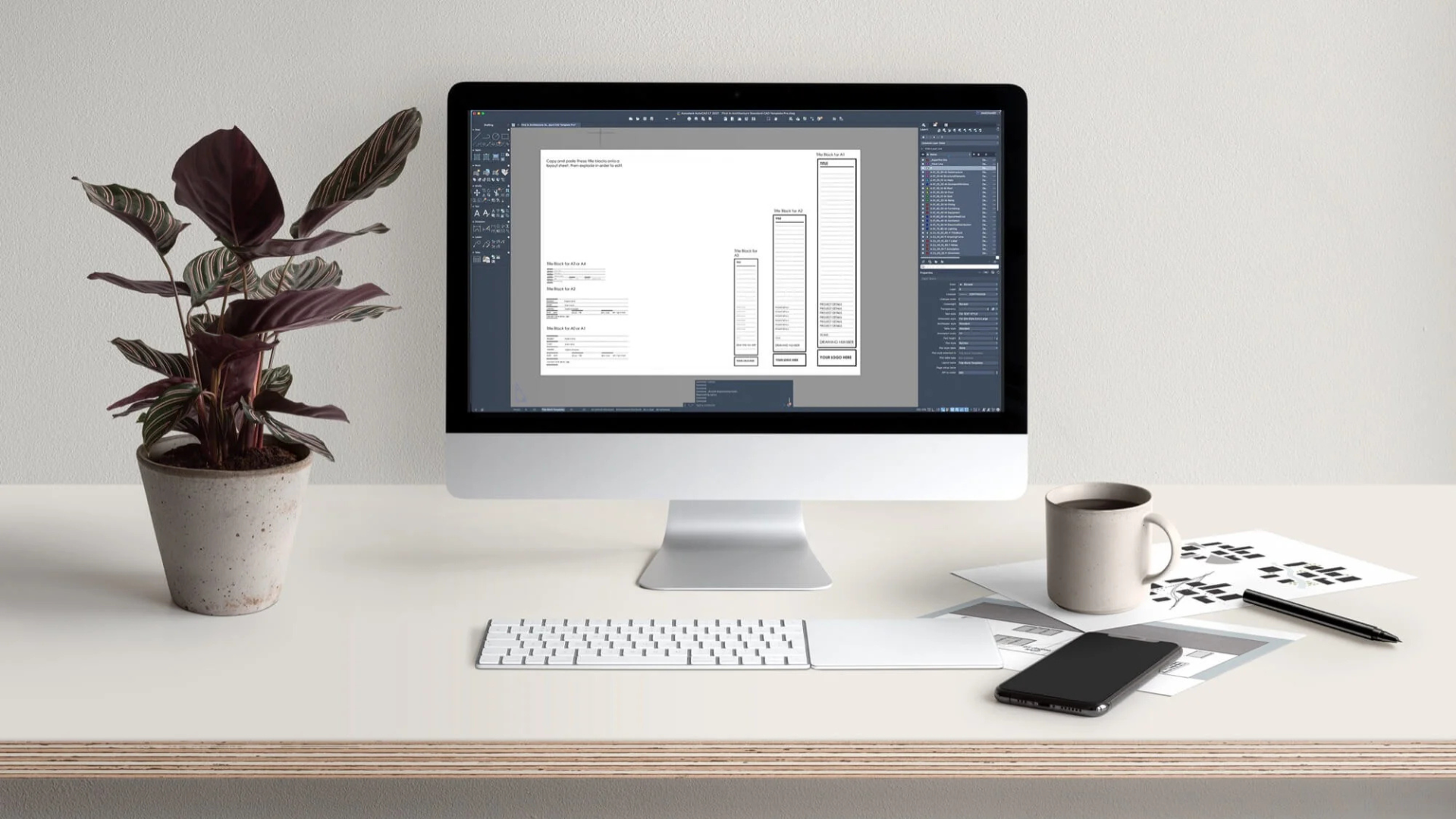
Layout refers to the arrangement of visual elements on a page, including text, images, graphics, and whitespace. Essentially, a successful layout balances aesthetics with usability, guiding the reader through content in a logical and visually appealing way.
For example:
-
Hierarchy: Determines which information is most important and how it is presented.
-
Alignment: Organizes elements to create structure and balance.
-
Spacing: Uses whitespace strategically to avoid clutter and improve readability.
-
Consistency: Maintains uniform design elements across all materials.
Consequently, a strong layout creates a seamless experience that engages readers while conveying professionalism.
Enhancing Readability and Comprehension
One of the primary benefits of a good layout is improved readability. When content is well-organized, readers can quickly understand key messages without feeling overwhelmed.
-
Clear Headings and Subheadings: Guide readers through sections logically.
-
Bullet Points and Lists: Break down information into digestible chunks.
-
Contrasting Fonts and Colors: Make text legible and emphasize important points.
-
Balanced Text and Images: Ensure visuals support, not overshadow, the message.
As a result, effective layout improves comprehension and encourages readers to engage with the material.
Guiding the Reader’s Eye
Layout controls the flow of information, directing attention where it matters most. Strategic placement of elements ensures that readers notice key messages and calls-to-action.
-
Visual Hierarchy: Highlight headings, offers, or important graphics.
-
Z-Pattern or F-Pattern Layouts: Guide readers naturally through the content.
-
Whitespace as a Tool: Creates pauses and emphasizes essential elements.
-
Consistent Alignment: Helps the eye move smoothly across the page.
Therefore, by guiding the reader’s eye, layout ensures that every piece of information is noticed and understood.
Strengthening Brand Identity
Layout also contributes to brand consistency and recognition. A cohesive design across all print materials reinforces your business’s identity and professionalism.
-
Consistent Grid Systems: Align text, images, and graphics across materials.
-
Brand Colors and Typography: Ensure layouts reflect your brand’s personality.
-
Template Designs: Maintain a unified style for brochures, flyers, and business cards.
Consequently, consistent layouts create a professional image that strengthens customer trust and brand recall.
Improving Engagement and Action
A thoughtfully designed layout encourages interaction and drives desired actions. Whether it’s reading a brochure, scanning a flyer, or responding to a promotion, layout influences behavior.
-
Strategic Placement of CTAs: Position calls-to-action where they are easily seen.
-
Visual Anchors: Use images or graphics to draw attention to important sections.
-
Flow and Rhythm: Guide readers smoothly from introduction to action points.
Thus, good layout design increases the likelihood that readers will respond positively to your marketing materials.
Adapting Layouts for Modern Print Trends
Modern print design trends emphasize creativity and functionality. Accordingly, adapting layouts to these trends ensures materials remain relevant and effective.
-
Minimalist Layouts: Focus on essential content with ample whitespace.
-
Dynamic and Asymmetrical Grids: Create visually engaging designs that break monotony.
-
Interactive Elements: Incorporate foldable sections, die-cuts, or QR codes.
-
Eco-Friendly Design: Optimize layouts to reduce paper use while maintaining impact.
By keeping layouts aligned with contemporary trends, you enhance appeal, engagement, and effectiveness.
Conclusion
In conclusion, the importance of layout in print design projects cannot be overlooked. Effective layouts enhance readability, guide the reader’s attention, strengthen brand identity, and increase engagement. By balancing visual elements, whitespace, typography, and images, designers create print materials that are both attractive and functional.
Furthermore, investing time and effort into planning layouts ensures that brochures, flyers, posters, and other printed materials communicate messages clearly, captivate audiences, and support marketing goals. In 2025 and beyond, businesses that prioritize thoughtful layout design will continue to stand out and make lasting impressions through print marketing.