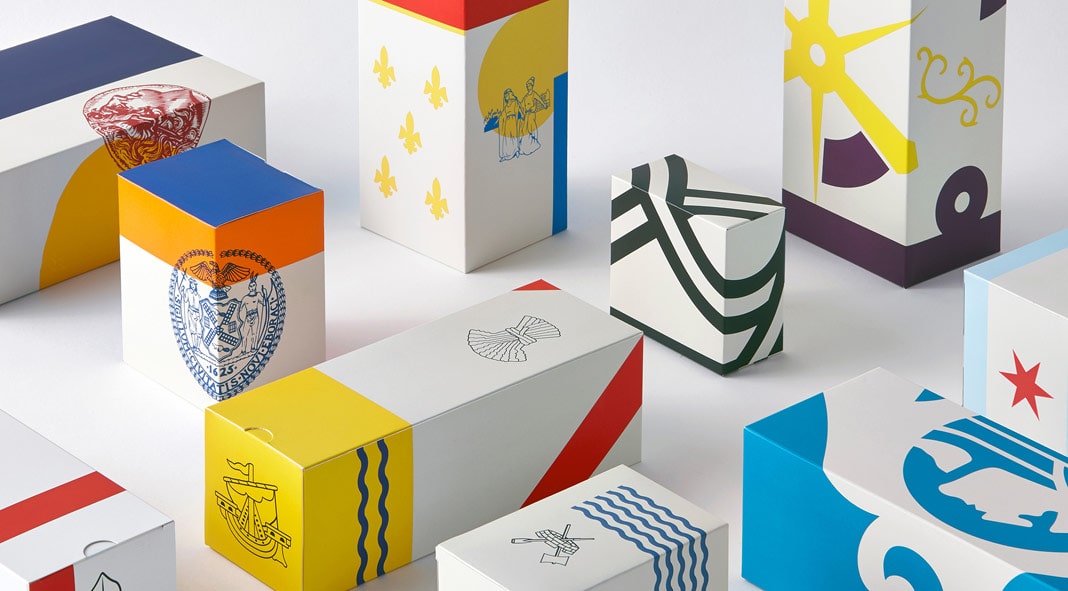
Best Packaging Design Ideas

In a world of endless choices, your product’s packaging is often the first—and sometimes only—chance to catch a customer’s eye. The best packaging design ideas go far beyond aesthetics. They tell a story, evoke emotion, and create memorable brand experiences that influence purchasing decisions.
Whether you’re launching a new product or revamping an old one, creative packaging can transform the way people perceive your brand. Let’s dive into the most innovative and effective packaging design ideas you can use to elevate your product and increase your impact.
Why Packaging Design Matters More Than Ever
Before we explore specific ideas, it’s important to understand the power of great packaging. It does more than protect your product—it:
-
Communicates your brand values
-
Creates emotional engagement
-
Influences buying behavior
-
Encourages social sharing and word of mouth
-
Builds trust and loyalty
With e-commerce and retail shelf competition at an all-time high, your packaging is your silent salesperson.
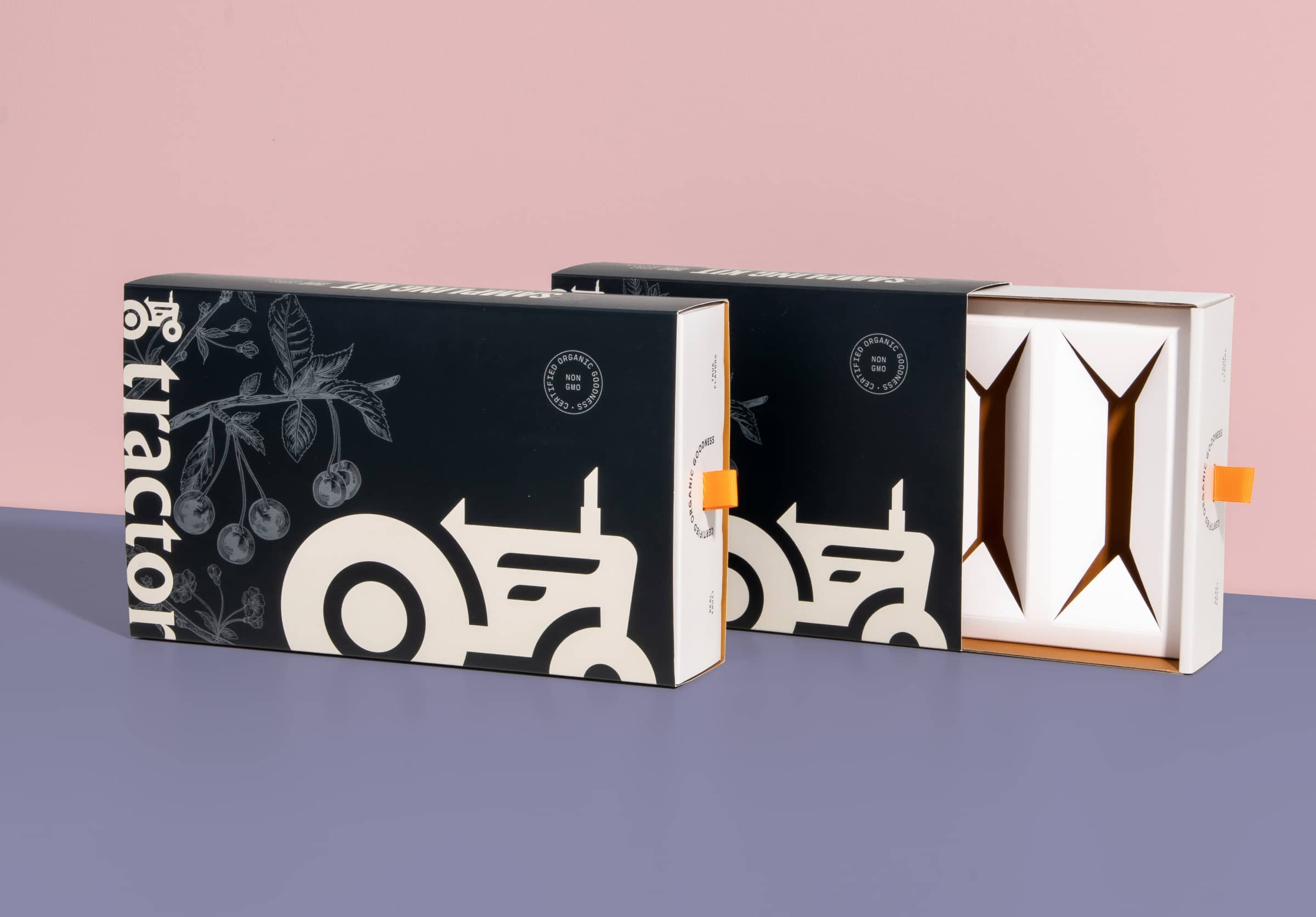
Minimalist Design with Maximum Impact
Minimalism continues to dominate because it creates an impression of sophistication and modernity. Clean lines, ample white space, and limited color palettes allow key elements to shine and make the design feel refined.
Use one or two bold design elements, such as a striking logo or unique typeface, to ensure your packaging feels distinctive. Minimalist packaging works especially well for high-end products or wellness items where a calming, clean aesthetic reinforces the brand message.
Eco-Friendly and Sustainable Packaging
Sustainability isn’t a trend—it’s an expectation. More consumers are choosing brands based on how environmentally responsible they are. Packaging made from recycled, compostable, or biodegradable materials not only reduces waste but also builds brand trust.
Design ideas for sustainable packaging include:
-
Kraft paper boxes with minimal ink
-
Seed-infused labels that customers can plant
-
Reusable cloth or tin containers
-
Plastic-free, fully recyclable packaging options
Eco-friendly design shows that your brand cares about the planet, which resonates strongly with modern, eco-conscious shoppers.
Interactive and Functional Packaging
Interactive packaging adds a layer of engagement that makes your product memorable. It can transform an ordinary unboxing into a delightful experience. Functional packaging adds value by being useful beyond the initial purchase.
Ideas to consider:
-
Built-in handles or resealable features
-
Packaging that transforms into display stands
-
QR codes leading to digital content or how-to videos
-
Games or puzzles integrated into children’s product boxes
When packaging surprises or entertains, customers are more likely to remember your brand and share their experience.
Typography-Driven Design
Typography can be the star of your packaging. Big, bold, expressive type can create a powerful visual impact and communicate your brand personality. Whether it’s elegant serif fonts or playful hand lettering, typography has the ability to set the tone instantly.
Design tips:
-
Choose one or two fonts to keep it cohesive
-
Make key words pop with color or size variation
-
Pair bold type with simple backgrounds to enhance legibility
Typography-led design is especially effective for products in beauty, food, and fashion categories where storytelling and aesthetics are key.
Transparent and Window Packaging
Letting your product show through can be a smart and honest design choice. Clear windows or fully transparent packaging builds trust by showing customers exactly what they’re getting.
This approach works especially well for:
-
Food and beverage items
-
Skincare and beauty products
-
Handmade or artisanal goods
To make the most of this idea, combine transparency with elegant labeling and minimal visual clutter. It allows your product to do the talking while maintaining a polished look.
Vintage and Retro Design Styles
Nostalgia is a powerful emotional trigger. Vintage-inspired packaging design taps into feelings of comfort, authenticity, and timelessness. This can give your brand a classic edge and appeal to customers who value tradition and quality.
Design elements to try:
-
Retro fonts and hand-drawn illustrations
-
Distressed textures or aged paper effects
-
Heritage-style logos or emblems
Blending retro style with modern packaging formats can result in a unique and compelling final product.
Personalized and Limited Edition Packaging
Creating a sense of exclusivity can drive customer excitement and boost sales. Personalized packaging, like including a customer’s name or message, makes the experience feel more intimate and special. Limited edition packaging creates urgency and enhances collectability.
Examples include:
-
Holiday or seasonal themed boxes
-
Collaborations with artists or influencers
-
Custom labels for different customer segments
This strategy not only boosts engagement but also encourages customers to share their unique purchase on social platforms.
Storytelling Through Packaging
Every brand has a story—and packaging is the perfect place to tell it. From visual cues to written content, your packaging can give customers insight into your values, process, or inspiration.
Ways to tell your story include:
-
Illustrations that reflect the origin of your product
-
Text printed inside the box or on wraparound labels
-
Instructions that educate while entertaining
When customers feel connected to your story, they’re more likely to feel connected to your product—and your brand.
Final Thoughts
Your packaging is more than just a container—it’s a powerful tool for communication, connection, and conversion. The best packaging design ideas combine form and function to create a memorable brand experience that customers won’t forget.
From minimalism and sustainability to personalization and storytelling, the key is to align your design with your brand values and your audience’s expectations. When done right, great packaging doesn’t just protect your product—it builds your business.